is it safe to take pseudoephedrine while breastfeeding Pseudoephedrine sudafed
Pregnancy and breastfeeding are two stages in a woman’s life when she is extra careful about what she consumes. Medicines and supplements are often a source of concern, especially when the symptoms they treat, such as allergies and colds, are highly prevalent. To help expecting and nursing mothers make the best decisions for their health and that of their child, we’ve done some research on two popular drugs - pseudoephedrine and allergy medicine. Pseudoephedrine is a decongestant commonly used to relieve nasal congestion caused by colds, allergies, and sinus infections. The drug works by narrowing the blood vessels in the nasal passages, reducing swelling, and increasing airflow. While pseudoephedrine is available over the counter, it is not recommended for use during pregnancy, especially during the first trimester. Studies have shown that pseudoephedrine can increase the risk of certain birth defects, such as gastroschisis, a condition where the baby’s stomach and intestines develop outside the abdominal wall. Moreover, pseudoephedrine can cause side effects, such as high blood pressure, heart palpitations, and insomnia, which can be dangerous for both the mother and the baby. If you are pregnant and experiencing nasal congestion, it is best to consult with your healthcare provider about safe alternatives, such as saline nasal drops and humidifiers, which can alleviate the symptoms without any harmful effects. While breastfeeding, mothers should also be cautious about what allergy medications they take. It is common for new moms to experience allergies or allergic reactions, especially if they’ve never been exposed to certain allergens before. Allergy medications, such as antihistamines and decongestants, can be passed to the baby through breast milk, which can cause adverse effects. Before taking any allergy medication, it is crucial to consult with your healthcare provider and read the labels carefully. Some antihistamines, like loratadine and cetirizine, are considered safe while breastfeeding, as they have a low concentration in breast milk. However, other antihistamines, like diphenhydramine, should be avoided, as they can cause drowsiness and irritability in babies. Decongestants, like pseudoephedrine, should also be avoided while breastfeeding, as they can decrease milk supply and cause irritability and restlessness in babies. Instead, mothers can use saline nasal drops, which are safe and effective in reducing nasal congestion. In conclusion, pregnancy and breastfeeding require special attention to medications and supplements. While pseudoephedrine is not recommended during pregnancy, there are safe alternatives for relieving nasal congestion. Similarly, breastfeeding mothers should avoid certain allergy medications and decongestants, and consult with their healthcare provider before taking any medication. By taking these precautions, mothers can ensure the safety and well-being of their newborn.
If you are looking for Cold medicine while breastfeeding: Is it safe? - Care.com you’ve visit to the right web. We have 5 Pictures about Cold medicine while breastfeeding: Is it safe? - Care.com like Pseudoephedrine (Sudafed) In Pregnancy: Is It Safe?, Health Mart Allergy And Congestion | Loratadine, Pseudoephedrine Tablet and also Pseudoephedrine (Sudafed) In Pregnancy: Is It Safe?. Here it is:
Cold Medicine While Breastfeeding: Is It Safe? - Care.com
 www.care.combreastfeeding cold disease heart medicine safe while infant american african basics maternal nutrition bmj abt take contract adoption wider support
Health Mart Allergy And Congestion | Loratadine, Pseudoephedrine Tablet
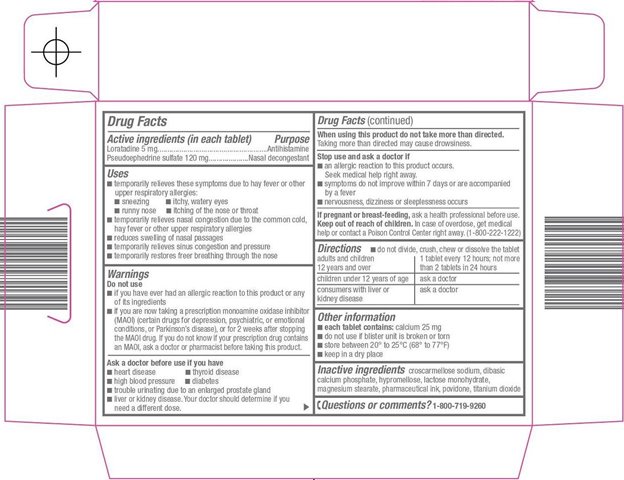 drlact.comPseudoephedrine (Sudafed) In Pregnancy: Is It Safe?
 www.momjunction.compseudoephedrine sudafed
Allergy Relief D | Loratadine, Pseudoephedrine Sulfate Tablet, Film
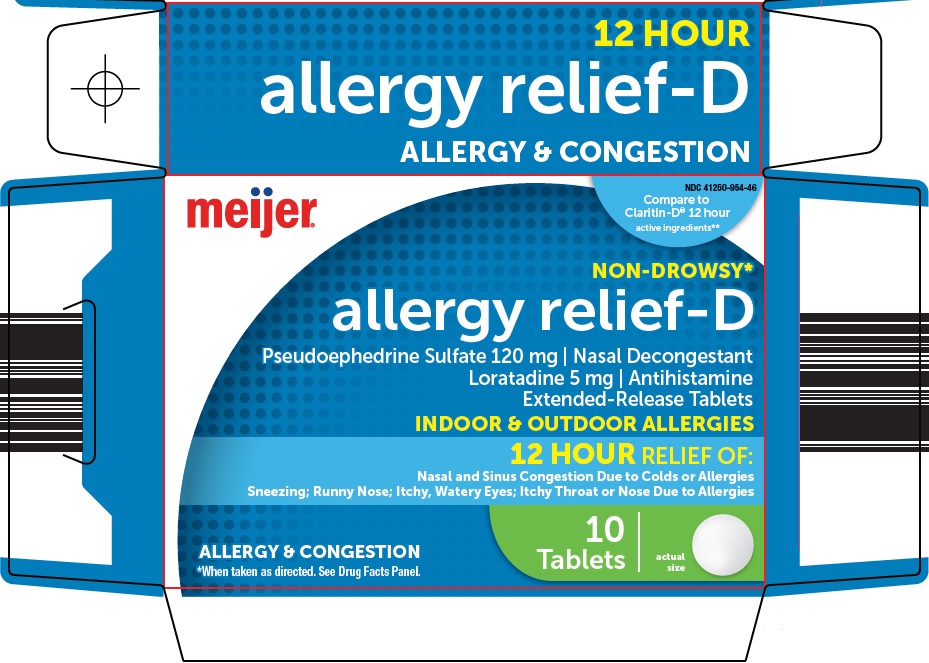 us.drlact.comWhat Can You Take For Allergies While Breastfeeding - AllergyProGuide.com
 www.allergyproguide.comAllergy relief d. Cold medicine while breastfeeding: is it safe?. Pseudoephedrine (sudafed) in pregnancy: is it safe?